
1. Use natural light/ lighting guide
You want your pie photography to look the best it can, and the most effective way to achieve that—besides the bake itself—is mastering your lighting. Natural lighting against a window or using a diffusing light source will allow the pie to take on an incredible, professional look. This approach allows harsh shadows to be softened across the surface of the crust. For even more control, you can use a white cloth or sheer fabric to diffuse the light further, creating that soft, commercial glow.
Consider taking your setup outdoors to shoot in a natural environment. This provides a versatile backdrop and the ability to play with both high-contrast hard light and soft, even tones. To get the most out of your outdoor session, keep these key points in mind:
- • Environment Matters: Use organic textures like grass, rustic wooden tabletops, or even industrial outdoor appliances to add character to your composition.
- • Time of Day: Experiment with different hours; "Golden Hour" will provide a warm, homey glow, while a high-noon sun can create dramatic, editorial shadows.
- • Weather Watch: While sunny or overcast "dim" days are excellent for natural light, avoid shooting in the dark or during poor weather. Without external strobes, the lighting becomes suboptimal and loses that inviting, "fresh-baked" feel.
Take this advice with a grain of salt (or sugar).
Indoor Lighting
Indoor lighting can also do the trick if the weather isn’t right. The most abundant light available to you may be LED, Fluorescent and incandescent lights to take photos of your pie for national pie day.
LED and fluorescents will almost always make your image and your pie more blue and green in hue. These may be more common in commercial kitchens, bright and well lit kitchens and the like.
Often this is the opposite of what you want to accomplish if you are considering something warm and homey. For a warm and homey feel consider incandescent lights or yellow/orange hued lights.
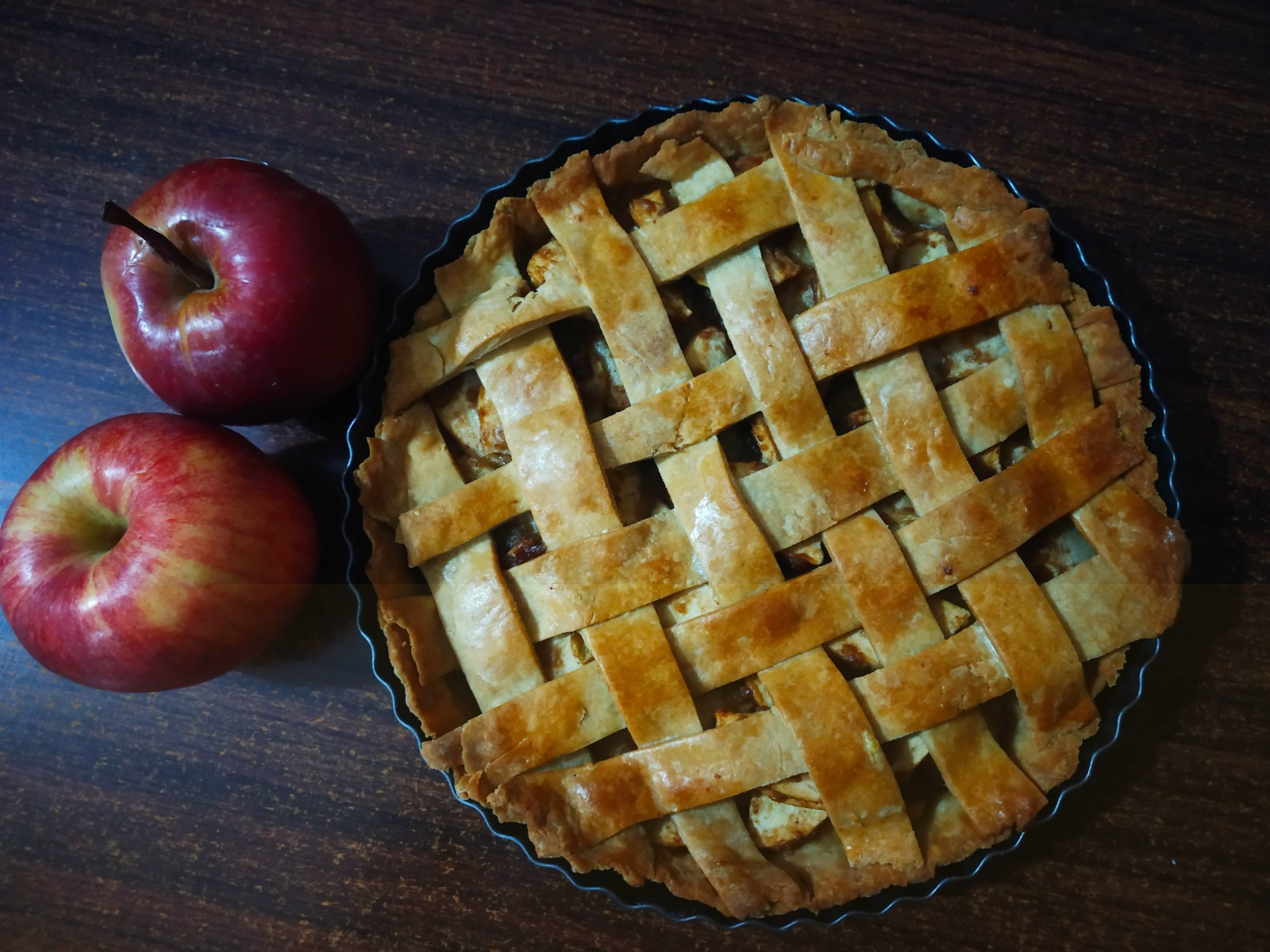
External Lighting
Lastly external lighting can be used to light your Pie’s. These may be in the use of external flashes, secondary lighting setups and the light. Flashes may include built-in flashes, external flashes, speedlight. The best light in a situation like this would be built-in flashes, speedlights , continuous lighting and studio strobes. Built-in Flashes will be the most common. This will be great front facing lighting for your pie. It is important to have ANOTHER light source for these if the images are not turning out how you like. The flash may not be able to cover both the subject [pies] and the background.
External flashes can work with other lighting. You can place them around the pies to create definition or to emphasize something. Think of Silhouette Pies.
Continuous lighting and studio strobes may also be used for commercial photos if needed. You can set your lights up so that the subject, background and anything else can be lit in a well balanced way.
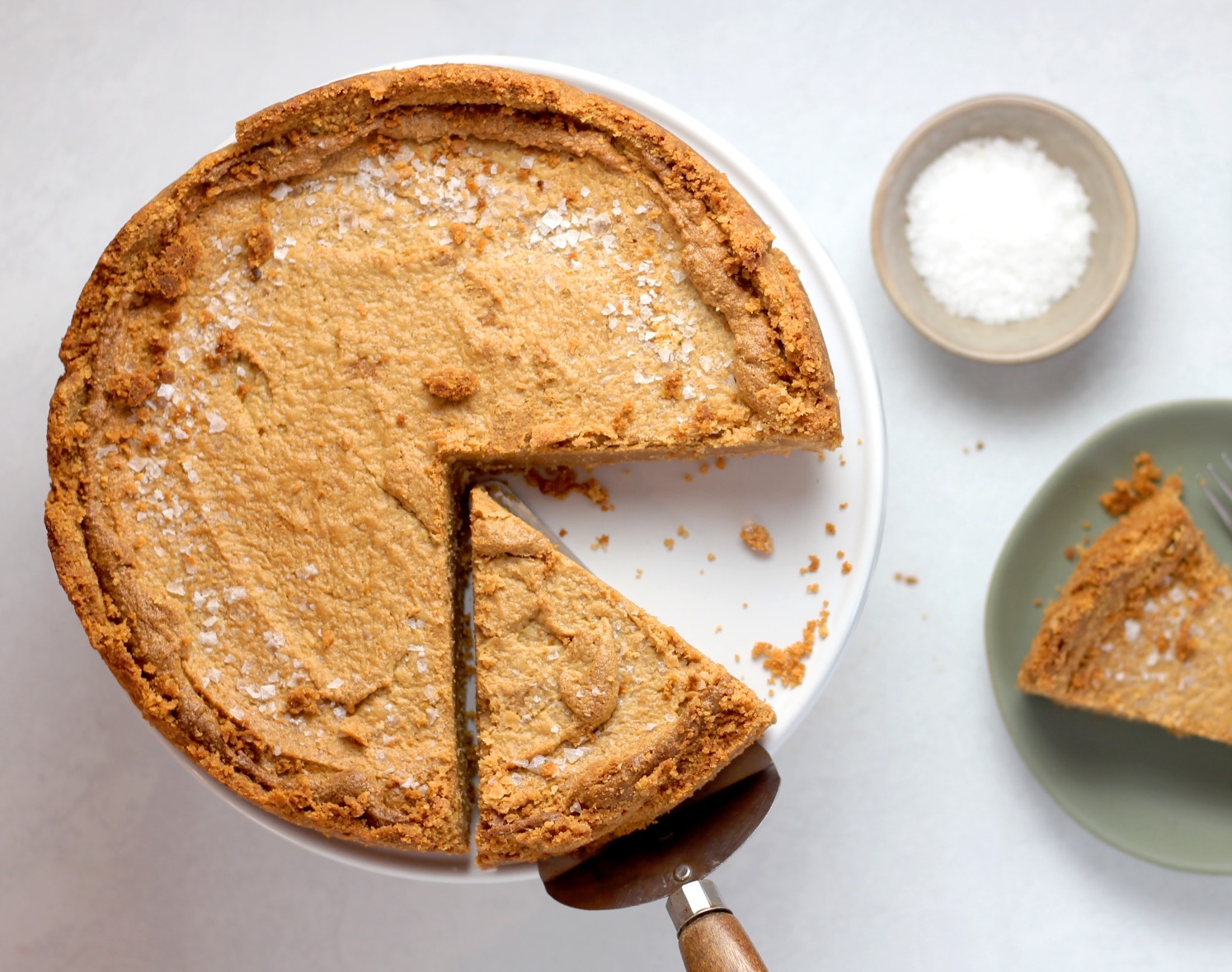
2. Style the pie
Let's say you have the lighting down— now how do you go about styling everything else? Here are a few ideas of how to style your pies.Before you start baking your pie it may be worth it to pick up packaging or extra ingredients to use for your photos. You may of course have extra ingredients as well to use for leftovers.Think of the type of pie you are making and decide what you need.
Common American Pies may be Apple Pie, Pumpkin Pie, Pecan Pie, Cherry Pie.Common Canadian Pies may include Butter Tart Pie, Saskatoon Berry Pie, Common Puerto Rican Pies may include Sweet potato pies, guava pie, pineapple pie, Coconut pieHere are some prop ideas for the final shoot - Adding ingredients like fruits, adding sugar, or silverware.
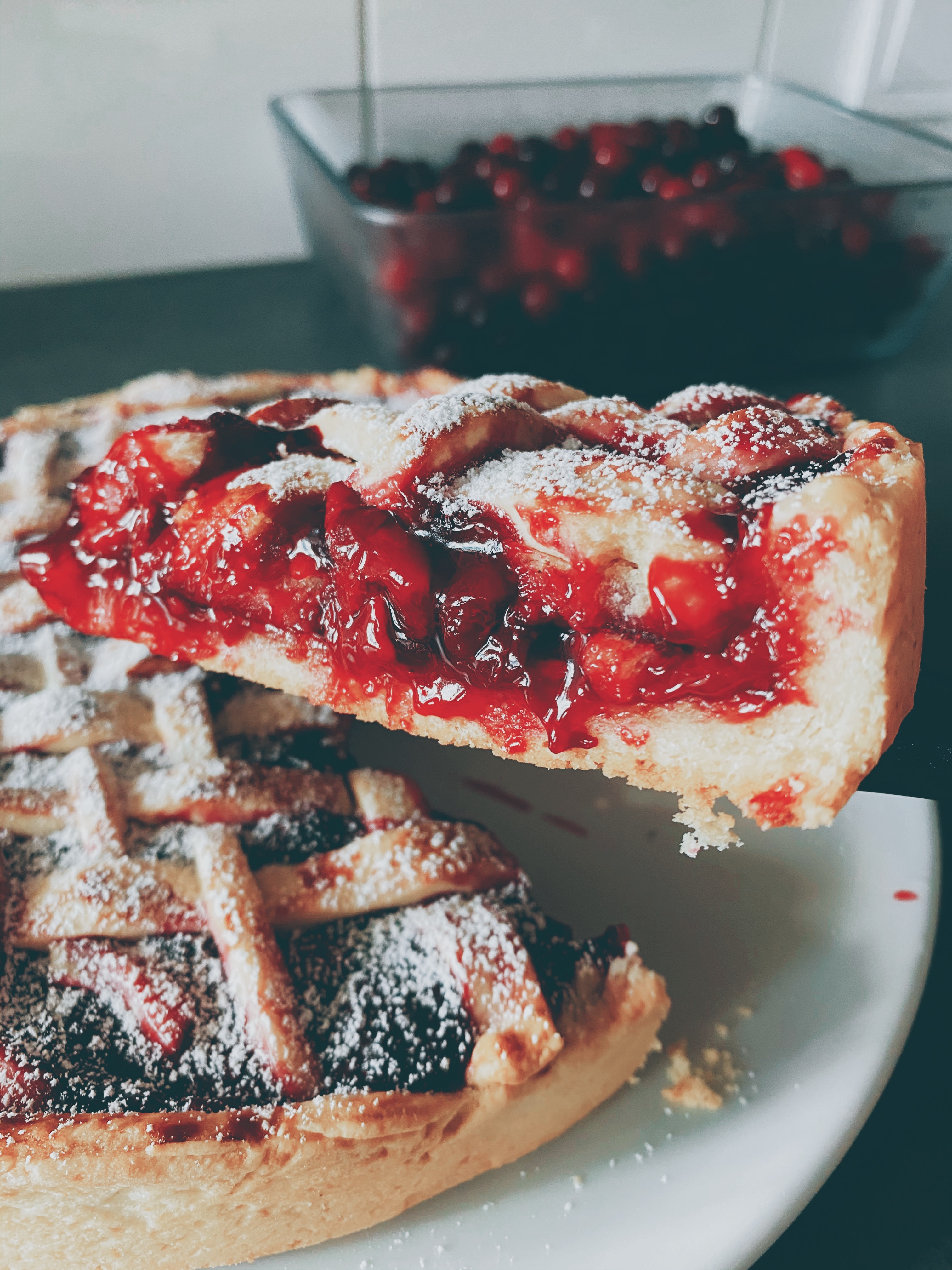
Ingredients to use as props
Apple Pie - Brown Sugar, Flour Bags or grains, Cinnamon grains
Pumpkin pie- Pumpkin, Milk, Ginger
Cherry Pie - Almonds, Cherry, Butter
Butter Tart- Butter, Brown Sugar grains, Eggs, Vinegar
Saskatoon Berry- Saskatoon Berries, Sugar, Flour
Sweet Potato Pie - Milk, Sugar,Eggs, Butter
Guava Pie, Guava Paste- Cream Cheese, Milk
Pineapple Pie - Pineapple, Sugar, Eggs, Milk
Coconut Pie - Coconuts, Butter, Eggs
You can add these ingredients to the side or at an angle to the actual pie. Just remember to bring a wipe so that you can easily clean them up.Also consider using human subjects as a prop. We will get back to this in the last section
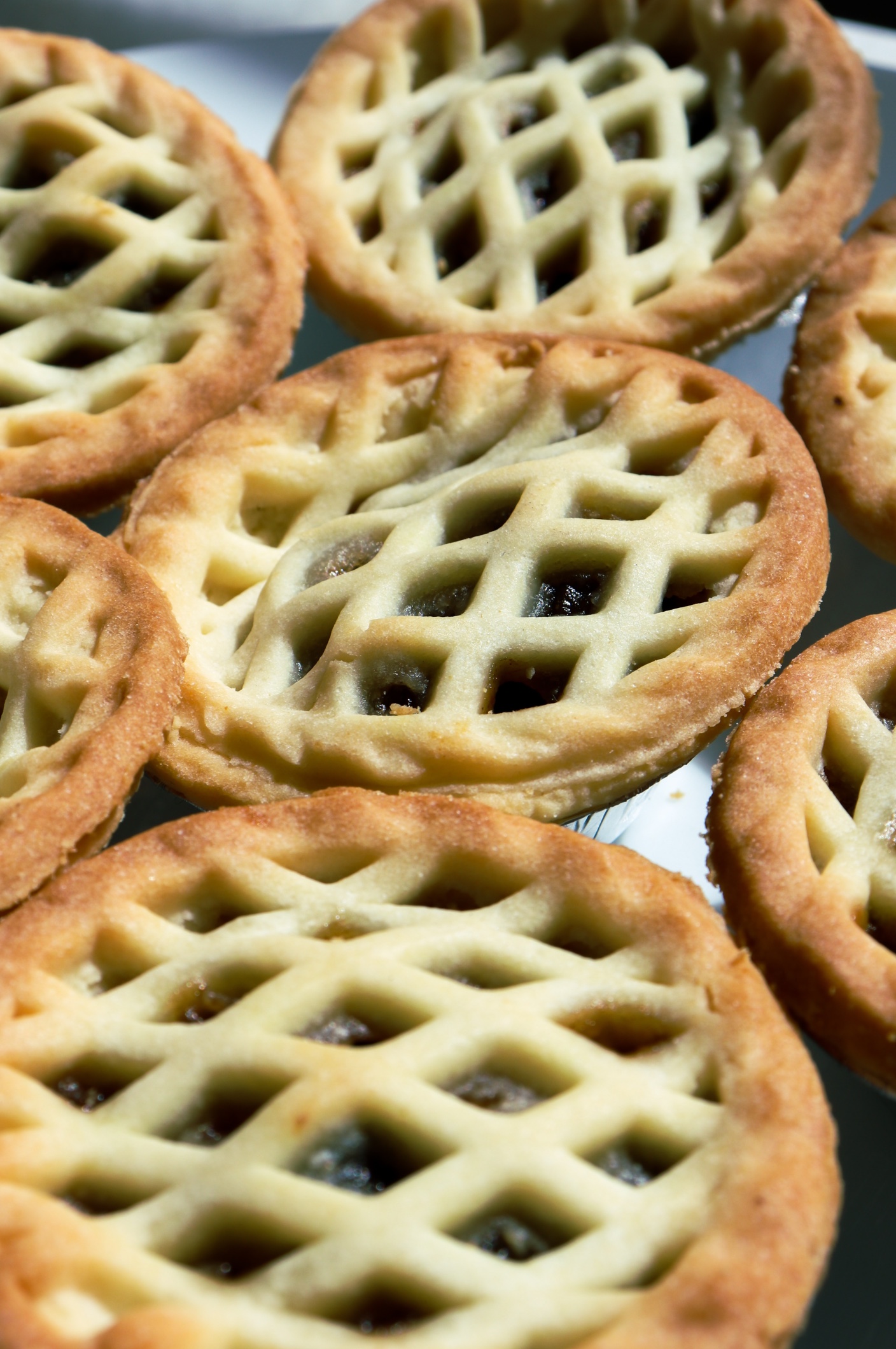
3. Experiment with angles
There are different ways and positions to take photos of a pie. Start with the basics and work your way up to the ones you may not know how to light. This is generally how I work projects through lighting what I know to more complex ones after you get the hang of what the final subject is.
4. Advanced Prop Styling
One touch to food product photography isn’t the food itself but its accessories. This can vary from the actual whole additional ingredient in the background (plan accordingly). Adding forks, knives, and napkins can also be useful to emphasize the scene.
- Add Layers: Experiment with depth by placing elements before and after the pie. Incorporate textures like organic fabrics, linens, or rustic woods.
- Embrace the Mess: Consider creating intentional crumbs or a dusting of flour to make the scene look more authentic and "lived-in."
- Color Theory: Introduce raw ingredients that provide a "pop" of color to contrast against the golden tones of the crust.
5. Adding the Human Touch
Consider a couple of ways to use a model on your photoshoot. Instead of a still life photograph of just pie, adding or taking a video with someone can emphasize warmth and sweetness.
Wardrobe Strategy: Select clothing that either matches the color palette of the pie for a monochromatic look or provides a sharp contrast for high-impact commercial shots.
When preparing the pie, think about working with faster shutter speeds (aim for 1/1000s or higher) to capture the intricate detail of falling powder or flour dust.
Pro Tip: Experiment with interaction—biting into a slice, the moment of cutting the crust, or a subject simply looking at the pie to create an emotional narrative.
