
There's nothing quite like the thrill of a road trip adventure. The open road, new sights around every bend, and plenty of snacks for the journey! But what if those snacks need to stay frozen solid the whole way? Suddenly that cooler in the backseat becomes mission critical.
Whether you're moving across the country or just bringing home a stash of your favorite ice cream from the in-laws, transporting frozen goods is a delicate operation. One degree too warm and you could wind up with a serious mess (and some serious disappointment) by journey's end.
Fortunately, with some smart planning and the right gear, you can keep your frosty cargo perfectly preserved from point A to B. It just takes a little know-how to become a frozen food shipping master. Here's everything you need to get it right.
The Prep Work
They say an ounce of prevention is worth a pound of cure. That's definitely true when it comes to frozen food transportation! Doing the prep work upfront can make or break your entire operation.
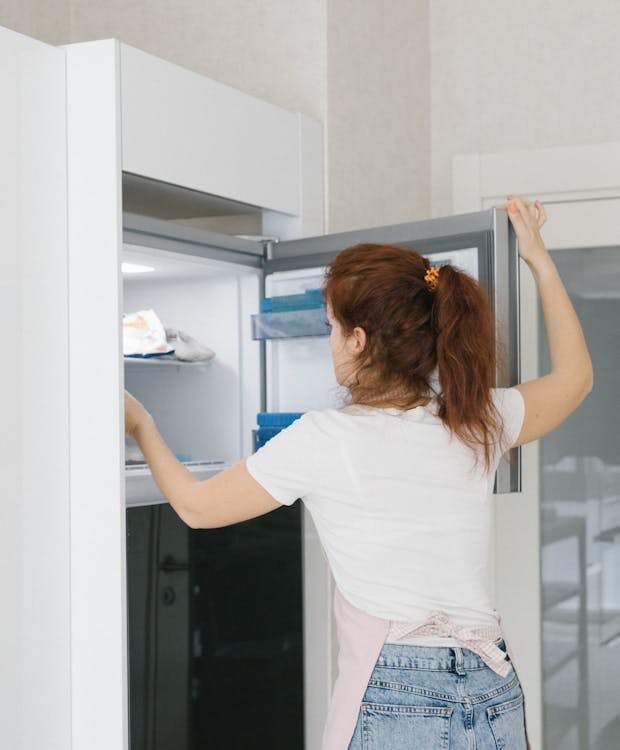
Start by making sure every single item is frozen solid before it goes into the cooler. We're talking rock hard, deep freeze temps - nothing room temp or even fridge cold. Portion things out into air-tight bags or containers too. Less air exposure equals less chance for premature thawing.
Speaking of containers, invest in some quality freezer-safe gear. Thick plastic tubs, vacuum seal bags, and heavy-duty freezer bags should all be in your arsenal. And for the love of all things cold, label everything! You don't want to be playing a guessing game with those mysterious frozen bricks later.
The Cool Tools
You can't just toss those frozen goodies into any old cooler and hope for the best. Nope, you need some serious insulation power to keep everything solid during transit.
If you're going the distance, a high-end cooler is worth the investment. Brands like Yeti, Igloo, and Coleman make heavy-duty models with thick insulation and air-tight seals that can keep food frozen for literal days. For shorter trips, a quality insulated bag with plenty of ice packs can get the job done too.

But what if you really want to go pro? Two words: dry ice. This frozen carbon dioxide is the ultimate weapon against thawing. It stays colder than regular ice for way longer. Just be sure to handle it safely with gloves and ventilation.
No matter which cold tools you choose, layering is key. Start with a base of ice packs or dry ice, then alternate layers of frozen items and more cold sources. The goal is to completely surround your precious cargo in a frigid embrace.
The Travel Tips
Okay, you've prepped and packed like a pro. Now it's go time! As you hit the road, there are a few more tricks to keep in mind:
First, avoid opening that cooler like the plague unless absolutely necessary. Every time you break that icy seal, you let in warm air that could slowly start the thawing process. When you do need to open it, work fast!
Next, be strategic about cooler placement in your vehicle. Keeping it in a shaded area away from direct sunlight and heat sources is ideal. Good air flow around the cooler helps too. Avoid setting it directly on scorching hot surfaces like truck beds.
You'll also want to keep an eye on your cold sources during travel. If regular ice is melting faster than expected, stop and restock it. With dry ice, make sure it's still solidly frozen and replenish if needed.

The Home Stretch
After hours on the road, you've finally arrived at your destination with your frosty treasures still intact. Phew! But don't celebrate just yet - there's one more crucial step.
As soon as you possibly can, get those items into a freezer stat. If you don't have access to one right away, keep everything sealed up tight in the cooler until you do. You'll want to check for any signs of thawing too. If things are just slightly soft but still have ice crystals, you can usually refreeze them safely.

The Frozen Food Transport Takeaway
Look, transporting frozen items is always going to be a bit more work than hauling stuff at room temp. But with the right preparation and gear, you can definitely keep your cool all the way to your destination.
Stock up on quality coolers and ice sources. Pack things up tight with plenty of insulation. Stay vigilant about temperatures during travel. And get it into a fresh freeze ASAP when you arrive.
Is it a little extra effort? Sure. But that first bite of frozen bliss with zero thawing in sight? Absolutely worth it! Just call yourself the frozen food shipping wizard from now on.
