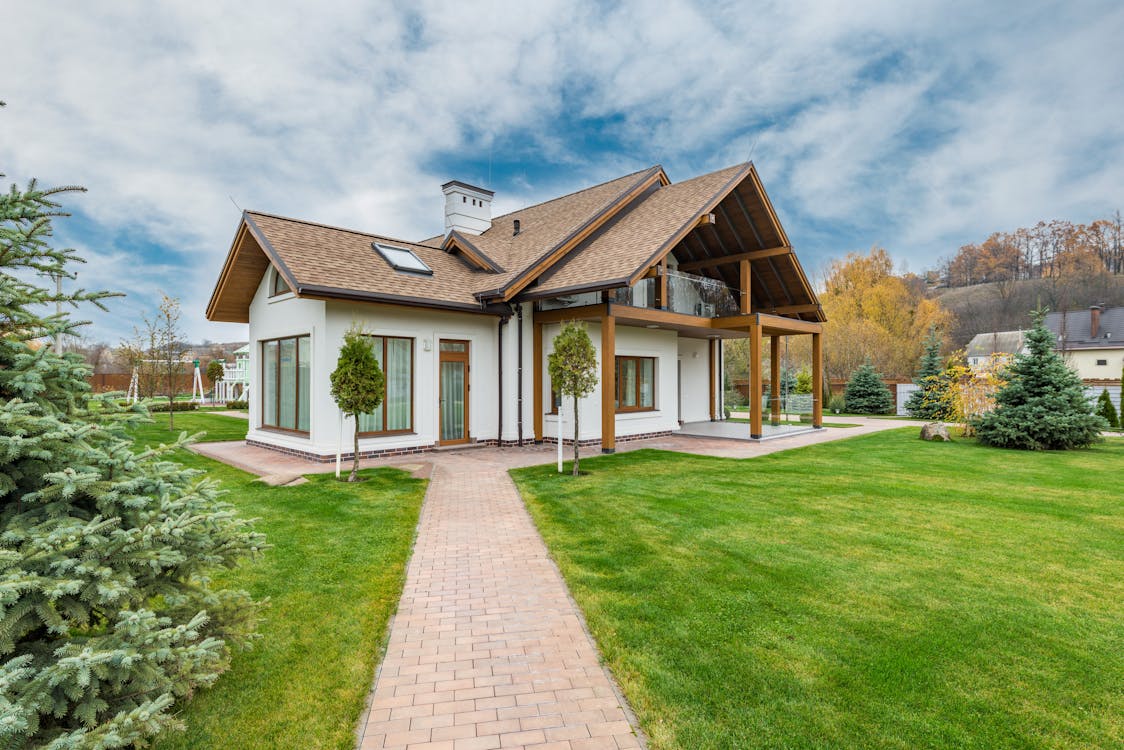
Don't let soaring temperatures turn it into a sweatbox. Keeping an empty home cool is crucial for preventing damage and ensuring it stays in tip-top shape until you return. But you also don't want to waste money blasting the AC nonstop. The smart solution is finding that perfect temperature sweet spot.
The Goldilocks Zone
The key is dialing in a thermostat setting that's not too cold and not too hot - just right. For most vacant homes, experts recommend a range of 85°F to 90°F during the summer months. This Goldilocks zone helps avoid moisture issues and protects your belongings, all while keeping energy costs from skyrocketing.

Why Temperature Matters
Proper climate control does more than just keep you comfortable when you get back. Letting temperatures soar unchecked can lead to all sorts of costly headaches:
- Energy waste: Blasting the AC 24/7 in an empty place is an efficiency nightmare.
- Mold and mildew: High humidity enables fungal growth that can ruin walls, furniture, and belongings.
- Warping and cracking: Excessive heat can warp wood, crack leather, and degrade other materials.
- Appliance strain: Extreme temperatures put extra stress on refrigerators, electronics, and other appliances.
- Resale woes: If you plan to sell or rent out the home, maintaining a comfortable climate boosts its appeal.

The Hidden Risks of Extreme Temperatures
Beyond the obvious issues, letting temperatures swing too high or low in a vacant home can enable some surprising problems as well:
- Pest infestations: Many insects and rodents are attracted to warm, undisturbed spaces to nest. Proper climate control eliminates this appealing environment.
- Frozen pipes: In colder regions, not running heat at all risks frozen and burst pipes, flooding, and water damage when you return.
- Humidity extremes: Both too much and too little moisture can enable structural issues like wood rot, mold, or drywall cracking over time.
- Dust and allergens: Stagnant air allows dust, pollen, and other allergens to accumulate unchecked in your home's air.

Optimizing Your Cooling Strategy
Of course, just setting the thermostat isn't enough. You'll want some additional tactics to really maximize efficiency:
- Programmable thermostat: Invest in a programmable or smart model that automates the temperature schedule. Many let you adjust remotely via smartphone too.
- Circulate air: Utilize ceiling fans to promote airflow and prevent stagnant, moisture-trapping conditions.
- Block the sun: Close blinds and curtains to reduce solar heat gain through windows.
- Seal leaks: Ensure doors, windows, and any cracks or gaps are well-sealed to keep cool air inside.
- Dehumidify: In extremely humid climates, a dehumidifier can help remove excess moisture.
- Maintain equipment: Have your HVAC system serviced regularly for peak performance and efficiency.
- Insulate well: Proper insulation helps the home retain its set temperature better with less cooling effort required.

The Smart Tech Advantage
Thanks to modern smart home technology, managing your vacant home's climate is easier than ever. Wi-Fi thermostats from brands like Nest, Ecobee, and Honeywell offer advanced features:
- Remote temperature control from your phone
- Automatic schedule adjustments based on occupancy
- Energy usage tracking and reports
- Voice commands via smart assistants
- Geofencing to automatically adjust when you come and go
With one of these smart setups, you can optimize cooling for maximum efficiency and peace of mind, even when you're miles away.
The Comfortable Compromise
Don't let summer turn your vacant sanctuary into a sweltering mess. But don't waste money overcooling it either. By finding that 85-90°F sweet spot and employing some simple efficiency strategies, you can keep your place protected at a reasonable cost. A little preparation goes a long way toward returning to a home that's comfortable, undamaged, and ready for occupancy once again. Properly managing your vacant home's temperature doesn't just save money - it's an investment in preserving your property value and avoiding nasty surprises. With some smart climate control this summer, you can relax knowing your house will stay in perfect condition until you're back.
